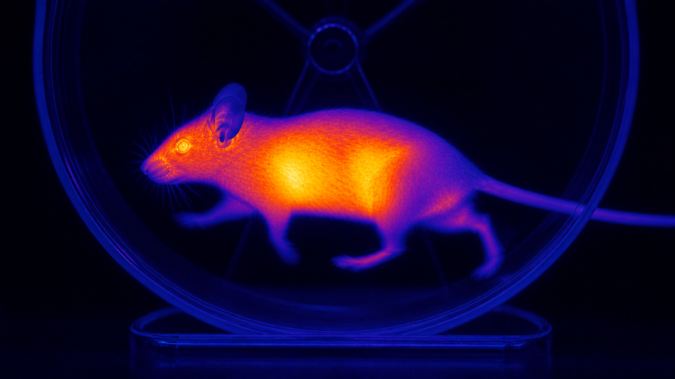
Metabolism
- Laboratory technicians:
The platform combines functional and behavioral measurements to provide a comprehensive view of metabolic regulation. Glucose and insulin tolerance tests enable sensitive detection of alterations in glucose homeostasis and insulin sensitivity, including early pre-diabetic states. Indirect calorimetry allows continuous assessment of energy expenditure, substrate utilization, and activity, while body composition analysis provides non-invasive quantification of fat and lean mass. These approaches can be extended with metabolic challenges, such as dietary or environmental interventions, enabling detailed characterization of metabolic phenotypes and their response to treatment in translational preclinical studies.
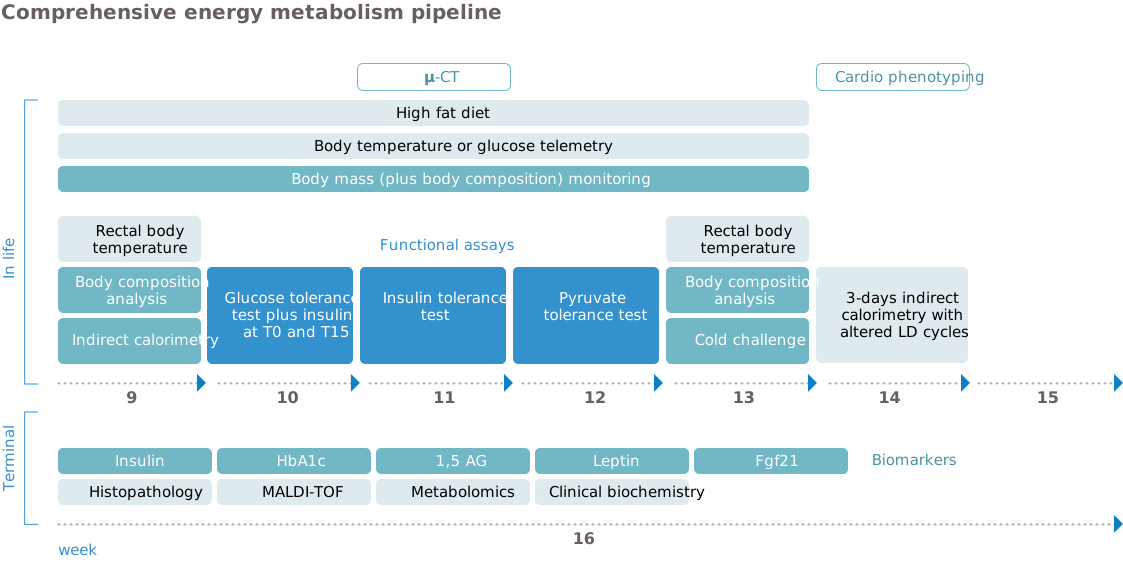
Comprehensive Energy Metabolism Phenotyping Pipeline
Standard services Glucose Homeostasis and Insulin Sensitivity
The Unit provides standardized assessment of glucose metabolism using intraperitoneal glucose tolerance test (IPGTT), insulin tolerance test (ITT), and pyruvate tolerance test (PTT). These assays enable evaluation of glucose clearance, insulin responsiveness, and hepatic gluconeogenesis, providing sensitive detection of metabolic dysfunction and early diabetic phenotypes.
Standard services Energy Expenditure and Behavioral Metabolism (Indirect Calorimetry)
Indirect calorimetry enables continuous, non-invasive monitoring of oxygen consumption and carbon dioxide production, allowing calculation of energy expenditure and respiratory exchange ratio (RER), a key indicator of substrate utilization.
These measurements are complemented by monitoring of locomotor activity, food intake, and water consumption, providing an integrated view of energy balance and metabolic behavior.
Standard services Body Composition Analysis
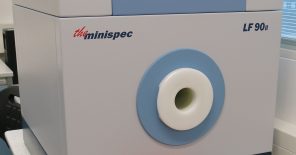
Non-invasive body composition analysis using NMR-based methods enables repeated quantification of fat and lean mass without anesthesia. This approach supports longitudinal studies and provides essential context for interpretation of metabolic phenotypes.
Do you have questions? Ask us
Project Specific Assays Metabolic Challenge and Environmental Stress Models
The Unit supports metabolic phenotyping under defined challenge conditions, including high-fat diet and cold exposure. These paradigms enable detection of phenotypes not evident under baseline conditions and provide insight into thermogenesis, metabolic flexibility, and energy balance regulation.
Project Specific Assays Nutritional and Pharmacological Intervention Studies (Pair-Feeding & Drug Response)
Customized study designs enable controlled evaluation of caloric intake and drug effects using pair-feeding strategies and defined dietary conditions. These approaches allow separation of treatment effects from nutritional variables and support robust interpretation of metabolic outcomes.
Project Specific Assays Disease-Oriented Metabolic Models and Functional Readouts
The Unit supports functional characterization of preclinical models of metabolic disease, including diet-induced obesity, streptozotocin-induced diabetes, and related metabolic disorders. Integrated metabolic readouts provide quantitative endpoints for disease progression and therapeutic efficacy.
Project Specific Assays Integrated Metabolic Phenotyping and Telemetry
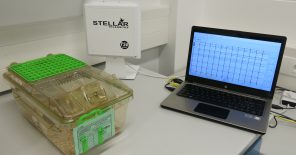
Metabolic measurements can be combined with telemetry-based monitoring of physiological parameters, such as body temperature, enabling high-resolution, stress-free data acquisition. This multimodal approach enhances interpretation of metabolic phenotypes in the context of systemic physiology.
Do you have questions? Ask us

Metabolism unit was upgraded with the support from OP RDE projects CZ.02.1.01/0.0/0.0/16_013/0001789 and – Upgrade of the Czech Centre for Phenogenomics: developing towards translation research and CZ.02.1.01/0.0/0.0/18_046/0015861 CCP Infrastructure Upgrade II