EHMT2-related Kleefstra-like Syndrome
Genetics
This pipeline entry refers to pathogenic EHMT2 variants, not classic EHMT1-related Kleefstra syndrome. De novo heterozygous catalytic-domain variants support an autosomal dominant disorder; very rare biallelic loss-of-function cases have also been reported.
Molecular Mechanism
EHMT2 (G9a) forms a histone H3 lysine-9 methyltransferase complex with EHMT1. Disease-associated variants impair nucleosomal methylation and transcriptional repression; catalytically inactive complexes may exert dominant-negative effects on chromatin regulation during neurodevelopment.
Therapy
Treatment is supportive and individualized, including developmental, communication, behavioral, neurologic and organ-specific care. No disease-modifying treatment is established for EHMT2-related disease.
CCP Activity
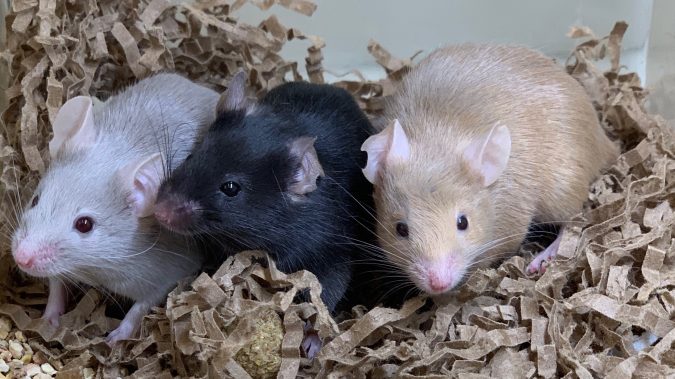
CCP has developed and characterized an EHMT2 disease model to define neurodevelopmental, behavioral and systemic phenotypes and to establish molecular readouts of altered H3K9 methylation suitable for future therapeutic testing.
Mouse Models Mouse Models & Gene Cards
| Mousel Models | Gene Cards |
| TBD | TBD |