SPATA5-related Neurodevelopmental Disorder
Genetics
Autosomal recessive disease caused by biallelic pathogenic variants in SPATA5, which encodes an ATPase associated with diverse cellular activities.
Molecular Mechanism
SPATA5 participates in mitochondrial morphology and function and has also been linked to ribosome biogenesis and protein quality control. Deficiency impairs neuronal bioenergetics and proteostasis, although the relative contribution of these pathways to human disease remains unresolved.
Therapy
No disease-modifying therapy is available. Management is supportive and includes seizure treatment, hearing rehabilitation, nutrition and intensive motor, communication and developmental care.
CCP Activity
CCP is defining the pathophysiology of SPATA5 deficiency in disease models, with emphasis on brain energy metabolism, mitochondrial function and clinically relevant neurologic, auditory and seizure phenotypes. These studies are used to identify minimum experiments for prioritizing therapeutic strategies.
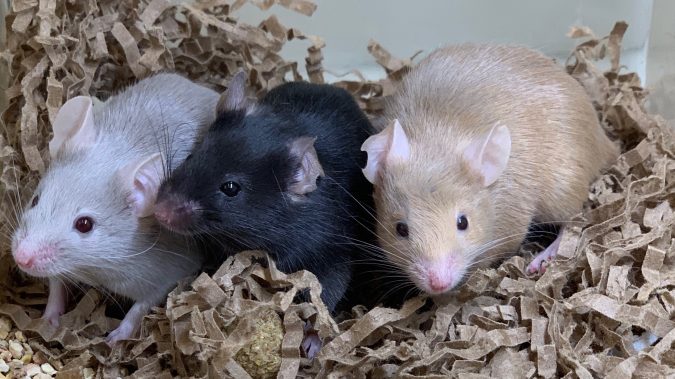
Mouse Models Mouse Models & Gene Cards
| Mouse Models | Gene Cards |
| TBD | TBD |