Harlequin Ichthyosis
Genetics
Caused by biallelic loss-of-function variants in ABCA12. Genotypes retaining partial ABCA12 function may produce less severe autosomal recessive congenital ichthyosis phenotypes.
Molecular Mechanism
ABCA12 transports lipids into epidermal lamellar granules. Its loss prevents normal extracellular lipid-layer formation, disrupts desquamation and causes profound failure of the stratum-corneum permeability barrier.
Therapy
Immediate neonatal intensive care requires humidification, fluid and electrolyte management, emollients, eye and airway care, nutrition and prompt treatment of infection. Early systemic retinoids can accelerate shedding of constricting plates. Lifelong skin care is required; no curative therapy exists.
CCP Activity
CCP is developing and phenotyping ABCA12-deficient models, with skin barrier function and survival as principal translational endpoints. The programme combines drug-repurposing studies with design and early validation of a gene-replacement strategy.
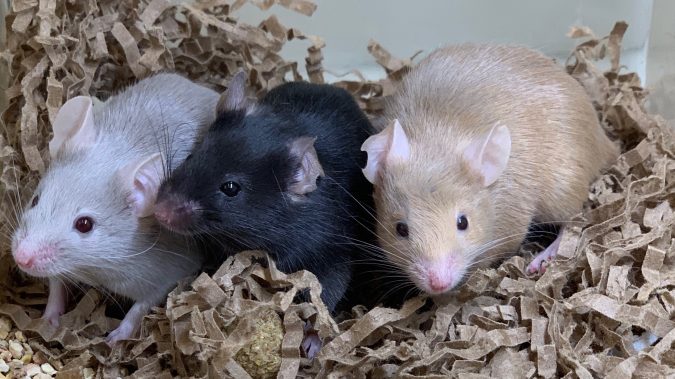
Mouse Models Mouse Models & Gene Cards
| Mouse Models | Gene Cards |
| C57BL/6NCrl-Abca12em1(P23P)Ccpcz | Abca12 |