Diamond-Blackfan Anemia
Genetics
Most cases are caused by heterozygous loss-of-function variants or deletions in ribosomal-protein genes, especially RPS19, and are often de novo.
Molecular Mechanism
Defective ribosome biogenesis produces nucleolar stress, altered translation and p53 activation. Rapidly differentiating erythroid progenitors are particularly vulnerable, although developmental abnormalities and cancer predisposition show that the disorder is systemic rather than purely hematologic.
Therapy
Corticosteroids and chronic red-cell transfusions with iron chelation are the main treatments. Allogeneic hematopoietic stem-cell transplantation can cure the hematologic phenotype but not congenital manifestations or inherited cancer risk. Gene-addition and gene-editing approaches remain experimental.
CCP Activity
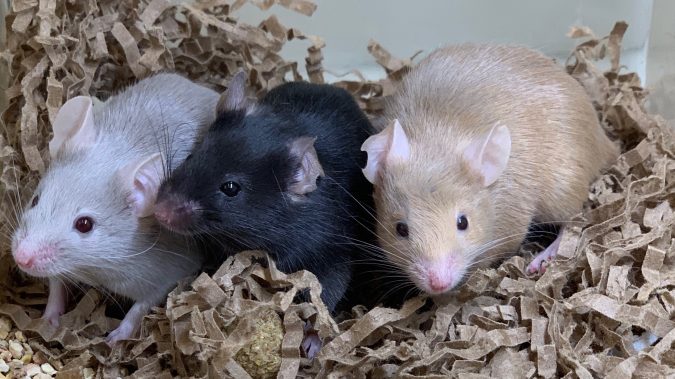
CCP characterizes a genetically defined mouse model to resolve the hematopoietic and systemic pathophysiology of Diamond-Blackfan anemia. The programme is linked to ex vivo correction work in hematopoietic stem cells, including prime-editing strategies directed at a causative RPS19 variant.
Mouse Models
| Mouse Models | Gene Cards |
| Rps19R67∆ | Rps19 |