Hyperphosphatemic Familial Tumoral Calcinosis (HFTC)
Genetics
Usually autosomal recessive, caused by biallelic pathogenic variants in GALNT3, FGF23 or KL. Each disrupts production, stability or signaling of biologically active FGF23.
Molecular Mechanism
Insufficient intact GALNT3 activity increases proximal-tubular phosphate reabsorption and inappropriately maintains or elevates 1,25-dihydroxyvitamin D. The resulting high calcium-phosphate product promotes progressive soft-tissue and vascular calcification.
Therapy
Treatment aims to lower phosphate using dietary restriction, non-calcium phosphate binders and phosphaturic agents such as acetazolamide or probenecid; responses are variable. Anti-inflammatory treatment and surgery are used for selected complications, but recurrence is common and no standardized cure exists.
CCP Activity
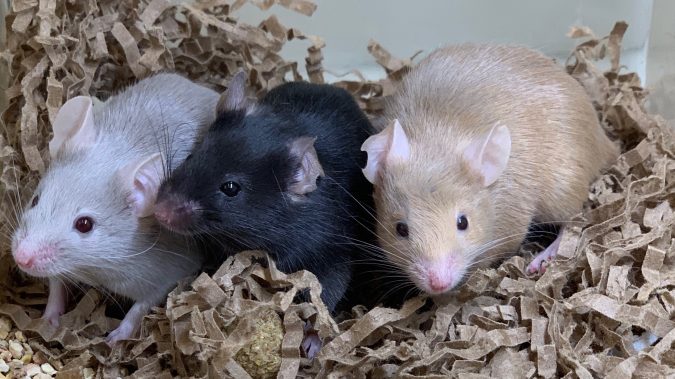
CCP is generating and characterizing a genetically defined GALNT3 model. Planned readouts integrate serum phosphate y with longitudinal imaging, histopathology and functional assessment of ectopic calcification and skeletal disease. Study is in collaboration with Jan Krivanek from Masaryk University.
Mouse Models & Gene Cards
| Mouse Models | Gene Cards |
| Galnt3 KO | Galnt3 |
| Galnt3 RQ (point mutation R261Q) | Galnt3 |
| Fgf23 KO | Fgf23 |