Immunology
- Research associate:
- Research assistants:
- Laboratory technician:
- PhD student:
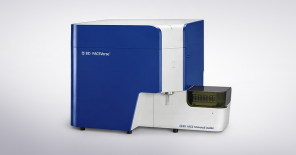
The Unit delivers high-resolution immune profiling using spectral flow cytometry, enabling precise analysis of immune cell populations, progenitor compartments, and differentiation states across blood, lymphoid organs, and peripheral tissues. Integration with other phenotyping platforms allows immune signatures to be interpreted in the context of tissue pathology and systemic physiology. In addition to baseline phenotyping, the Unit supports disease-oriented and functional studies, including tumor microenvironment analysis and humanized mouse models, providing mechanistic insight and robust readouts for preclinical evaluation of immunomodulatory interventions.
Standard services Comprehensive immunophenotyping
Comprehensive immunophenotyping by spectral flow cytometry
Standardized, high-content immunophenotyping of immune cell populations across blood, spleen, bone marrow, thymus, and peripheral tissues.
Validated immunophenotyping panels:
- IMPC-compliant broad immunophenotyping panel (Panel A + B)
- IMPC T / NK / NKT panel (Panel A)
- IMPC B cell / myeloid panel (Panel B)
- Blood immunophenotyping panel
- Yolk sac (YS) hematopoiesis panel
- Bone marrow HSPC panel
- Thymocyte apoptosis panel
- Human leukocyte xenograft panel
- Tumor microenvironment panel
Do you have questions? Ask us
Project Specific Assays Custom immunophenotyping panel design
Development and optimization of tailored flow cytometry panels targeting specific immune pathways, rare cell populations, or disease-relevant phenotypes.
Project Specific Assays Humanized mouse immune profiling
In vitro stimulation and functional testing of immune cells (e.g. activation, cytokine production, proliferation), enabling assessment of immune competence and pathway-specific responses.
Project Specific Assays Functional immune cell assays
Advanced analysis of human immune cell engraftment, differentiation, and function in xenograft models.
Project Specific Assays Tumor microenvironment characterization
In-depth profiling of immune infiltration, activation states, and checkpoint expression in tumor models to support immuno-oncology studies.
Project Specific Assays Hematopoietic and developmental immunology workflows
Characterization of hematopoietic stem and progenitor compartments and developmental immune processes across tissues and stages.
Project Specific Assays Integrated immune phenotyping in preclinical studies
Application of immune profiling as a readout for therapeutic efficacy, including immune activation, suppression, or toxicity in intervention studies.
Do you have questions? Ask us


Immunology unit was upgraded with the support from OP RDE project CZ.02.1.01/0.0/0.0/18_046/0015861 CCP Infrastructure Upgrade II.