Phenotyping
The Phenotyping Module provides a fully integrated platform for deep physiological and morphological characterization of experimental rodent models under controlled SPF conditions. The core strength of the module lies in its ability to combine rigorously standardized primary phenotyping pipelines with highly flexible, hypothesis-driven secondary and tertiary analyses. Such approach enables comprehensive functional interpretation of both knockout models and precise genetic variants, with a strong emphasis on rare disease modeling and translational relevance.
The module integrates advanced multimodal technologies, including:
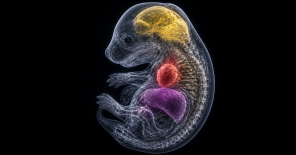
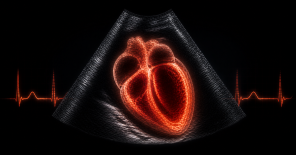
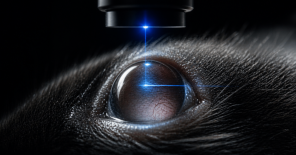
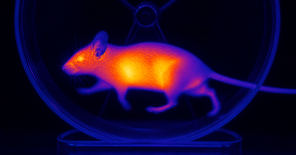
- Imaging: in vivo microCT, high-resolution ex vivo microCT, optical imaging, ultrasound combined with photoacoustic imaging and confocal endoscopy.
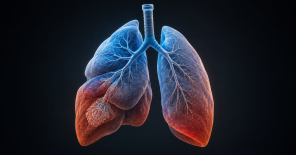
- Physiological phenotyping: neurobehavioral assays, metabolic phenotyping, cardiovascular and respiratory measurements, and electrophysiology.
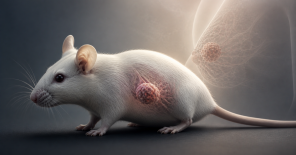
- Oncology and translational models: patient-derived xenografts (PDX) and experimental cancer models for in vivo therapeutic testing.
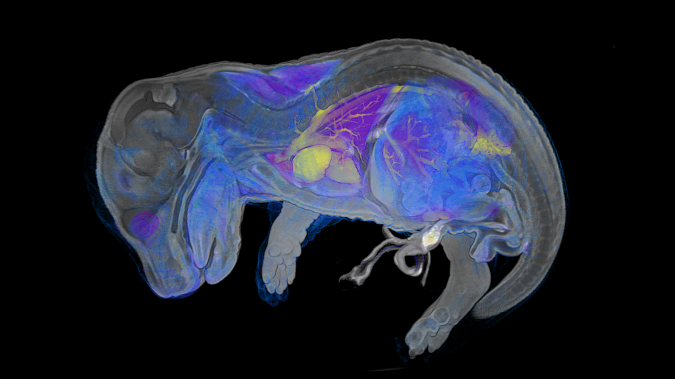
- Developmental assessment: embryonic and postnatal phenotyping, including high-resolution morphological and functional analysis.
- Infectious disease models: studies conducted under BSL-3 conditions enabling controlled investigation of pathogenic agents.
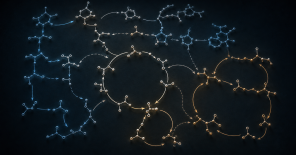
- Analytical platforms: clinical biochemistry, immunoassays, LC/MS-based metabolomics and lipidomics, and MALDI imaging for spatial molecular profiling.
- Immunology and cellular profiling: flow cytometry and advanced immune phenotyping approaches.
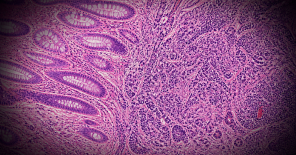
- Histopathology: comprehensive tissue processing, high-resolution imaging, and expert pathological evaluation.
A key advantage of multimodality is its ability to generate high-content, multidimensional datasets from individual animals, maximizing data yield while minimizing animal usage.
Importantly, the module operates as a fully customizable service environment, where experimental design is adapted to the specific scientific or translational question. This includes seamless integration into preclinical development pipelines, with the capability to deliver GLP-compatible studies, particularly in areas such as safety and toxicity assessment.
Together, the Phenotyping Module constitutes a unique, high-resolution translational core facility, bridging fundamental genetics with actionable preclinical outcomes.