
Models of Infectious Diseases (BSL-3)
- Postdoctoral fellow:
- Research assistant:
The Unit operates under certified BSL-3 and GMO-3 conditions, enabling safe and reproducible in vivo and in vitro studies of infectious agents in rodent models. With a capacity exceeding 500 cages, the facility supports both exploratory and large-scale preclinical projects. A key strength lies in integration with CCP phenotyping pipelines, allowing infection studies to be coupled with detailed analysis of immune responses, organ-specific pathology, and systemic physiological changes. This multi-level approach supports characterization of disease mechanisms as well as robust evaluation of therapeutic and prophylactic interventions, including GLP-aligned studies.
Standard services Infection models
We provide controlled in vivo infection using a panel of established pathogens with defined routes of administration, dosing schemes, and experimental timelines. Each model is implemented using validated protocols ensuring reproducibility across studies and comparability between cohorts.
Experimental design can incorporate defined genetic background, transgenic models, and controlled physiological states of animals (e.g. age, metabolic status), enabling consistent modelling of disease onset and progression.
Available standardized models include:
- SARS-CoV-2 (B.1, Beta, Omicron, BA.5, XBB.1.5)
- Hepatitis B virus (genotype A, D; AAV-HBV model)
- Acinetobacter baumannii (pulmonary/systemic infection)
- Monkeypox virus
- Trypanosoma spp.
- Influenza, LCMV
Additional pathogens can be implemented upon request.
Standard services Infection course characterization and phenotyping
We provide standardized monitoring and analysis of infection progression, from acute phases to chronic or post-infectious states. Readouts include clinical progression, pathogen load, and organ-specific involvement, complemented by integrated phenotyping pipelines across: immune response, tissue pathology and systemic physiology.
Dedicated workflows are available for:
- acute infection profiling
- chronic infection models
- post-infectious phenotypes and long-term consequences
Standard services Integrated multi-system readouts during infection
Infection models can be directly coupled to CCP phenotyping modules, enabling multi-level characterization within a single experimental framework:
- lung function
- immunophenotyping
- clinical biochemistry
- metabolism
- cardiovascular function
- neurobehavior
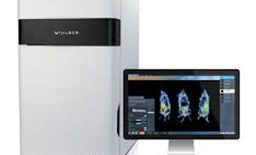
- bioimaging
- histopathology
All readouts are aligned to standardized pipelines, allowing cross-study comparison and integration.
Project Specific Assays Immunization and vaccine studies
Design and execution of vaccination protocols, including challenge experiments and evaluation of protective efficacy.
Project Specific Assays Therapeutic intervention studies
Testing of antiviral, antibacterial, or antiparasitic compounds, including dosing strategies, treatment timing, and efficacy readouts.
Project Specific Assays Complex infection paradigms
- repeated infections
- co-infections
- combination of infection and environmental or metabolic stressors
These designs enable modelling of clinically relevant scenarios beyond simple acute infection.
Project Specific Assays Custom disease modelling strategies
Full support for implementation of new infectious agents, including regulatory compliance, protocol development, and safe integration into experimental workflows.
Project Specific Assays GMO3-compatible experimental workflows
Design and execution of studies involving genetically modified organisms under appropriate containment conditions (GMO3), including integration with infection models and downstream phenotyping. Activities are conducted in compliance with applicable biosafety and regulatory frameworks.
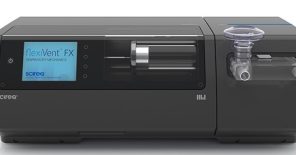
Technology platforms

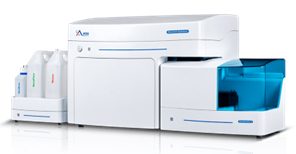
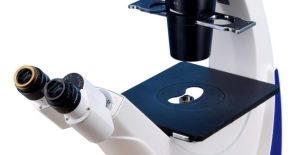
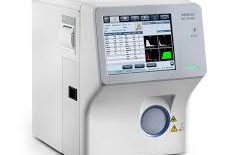

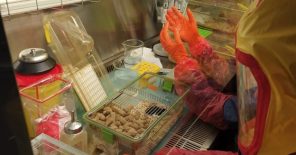

Unit of Models of Infectious Diseases is being upgraded from the OP JAC project CZ.02.01.01/00/23_015/0008189 Upgrade of the large research infrastructure CCP III.
