Achondroplasia
Genetics
Autosomal dominant gain-of-function variants in FGFR3; more than 98% of affected individuals carry p.Gly380Arg. Most cases are de novo, with a paternal-age effect. Biallelic achondroplasia is usually lethal.
Molecular Mechanism
Constitutive FGFR3 signaling, primarily through RAS-MAPK and STAT pathways, suppresses growth-plate chondrocyte proliferation and differentiation. This selectively impairs endochondral ossification while intramembranous bone formation is relatively preserved.
Therapy
Multidisciplinary surveillance and treatment address neurologic, respiratory and orthopedic complications. Vosoritide, a C-type natriuretic peptide analogue that counteracts FGFR3-MAPK signaling, is approved for growing children with open epiphyses; it does not correct established adult anatomy.
CCP Activity
Mechanistic and preclinical research is conducted in collaboration with Dr. Pavel Krejci at Masaryk University. The programme evaluates small-molecule modulation of FGFR3-dependent signaling using disease-relevant cellular and in vivo growth-plate endpoints.
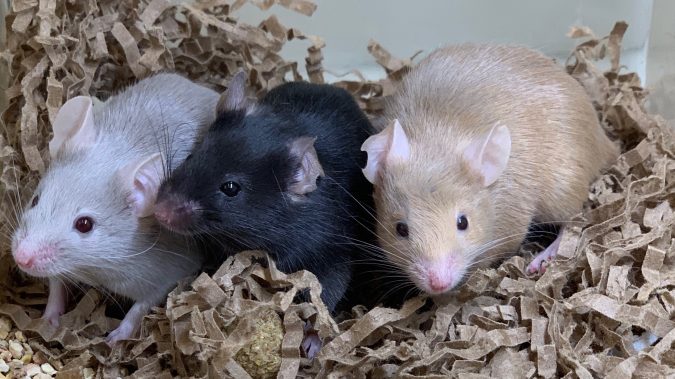
Mouse Models & Gene Cards
| Mouse Models | Gene Cards |
| Fgfr3G374RNeoR-fl | Fgfr3 |
| Fgfr3K650E-EGFP)10Jheb/J | Fgfr3 |