Canavan Disease
Genetics
Caused by biallelic pathogenic variants in ASPA, which encodes aspartoacylase. Residual enzyme activity and variant class contribute to the broad spectrum from severe infantile disease to milder juvenile presentations.
Molecular Mechanism
ASPA normally hydrolyzes N-acetylaspartate (NAA) to acetate and aspartate in oligodendrocytes. Deficiency causes NAA accumulation and perturbs osmotic balance, oligodendrocyte metabolism and lipid supply for myelination; transporter-mediated NAA clearance modifies tissue exposure.
Therapy
Management remains supportive and includes nutrition, respiratory care, seizure treatment and prevention of contractures. Several CNS-directed AAV ASPA gene-replacement programmes are in clinical trials; no disease-modifying therapy is currently approved.
CCP Activity
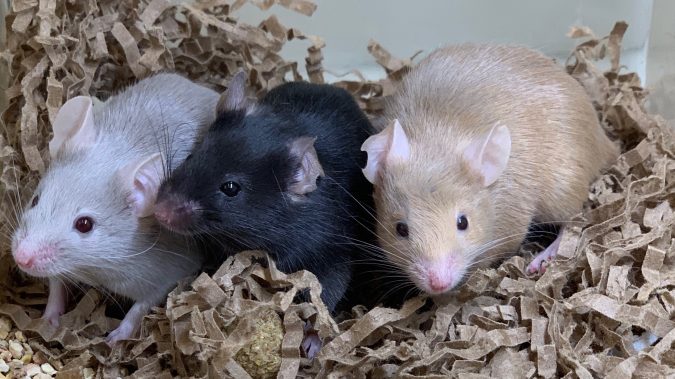
CCP generated and phenotyped a patient-avatar Aspa p.Gly273Arg mouse corresponding to human ASPA p.Gly274Arg. The programme combines longitudinal biochemical phenotyping with small-molecule studies and tests focused on NAA transport.
Mouse Models Mouse Models & Gene Cards
| Mousel Models | Gene Cards |
| C57BL/6NCrl-Aspaem1(G274R)Ccpcz | Aspa |