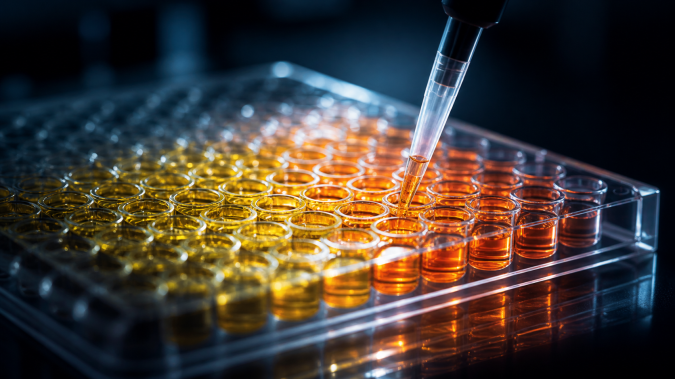
Biochemistry & Haematology
- Research assistants:
- Laboratory technician:
Beyond routine clinical chemistry and haematology, these analyses serve as an entry point into integrated preclinical phenotyping workflows. Data are interpreted in the context of disease models and experimental interventions, enabling cross-linking with imaging, metabolic, cardiovascular, and neurological pipelines. The Unit supports studies performed under Good Laboratory Practice (GLP) principles, including safety and toxicology-oriented preclinical programs.
Embedded within the broader CCP infrastructure, the unit enables multi-modal characterization of animal models by integrating biochemical readouts with functional, structural, and molecular data layers to generate high-dimensional, translationally relevant disease profiles.
Standard services Clinical biochemistry
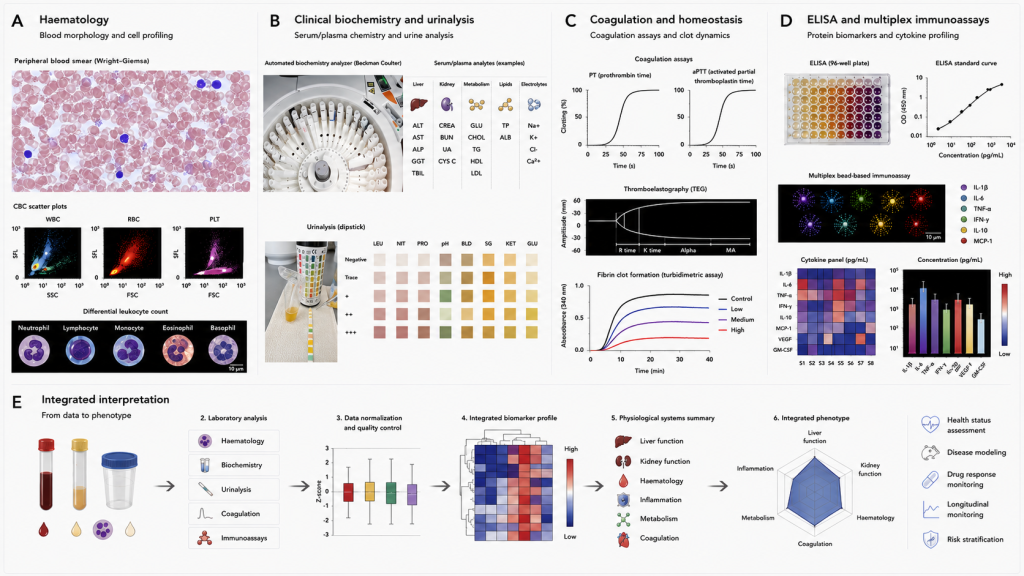
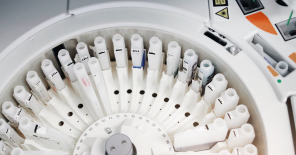
The Unit provides comprehensive quantitative analysis of biochemical parameters in plasma, serum, urine, and other biological fluids using automated high-throughput platforms (Beckman-Coulter AU480). The service supports assessment of organ function, metabolic status, and systemic physiological changes in experimental models. Measurements can be flexibly tailored into targeted panels or broader profiling schemes depending on the study design, including applications in disease modelling, pharmacological interventions, and safety/toxicology studies. Standardized workflows ensure high reproducibility and compatibility with downstream multi-modal phenotyping and translational data integration. Selected analytes can also be quantified from urine and cerebrospinal fluid (CSF). Sample volume requirements depend on the requested parameters and include additional volume to account for instrument dead volume and quality control metrics such as lipemia, icterus, and hemolysis (LIH) assessment.
Application panels:
To support disease-oriented studies and preclinical decision-making, biochemical readouts can be organized into targeted panels reflecting specific organ systems or pathophysiological processes:
- Liver: Albumin, ALP, ALT, AST, Bilirubin, Total protein, Urea.
- Kidney: Creatinine, Urea, Uric acid.
- Pancreas / Glucose metabolism: α-Amylase, Creatinine, Fructosamines, Glucose, Lipase.
- Inflammation / Tissue injury: ALP, ALT, AST, CK, Creatinine, Urea.
- Lipid metabolism: Total, HDL and LDL cholesterol, Glycerol, Lipase, NEFA, Triglycerides.
- Muscle (Cardiac) function: Na, K, Ca, CK, HBDH, LDH.
- Bone metabolism: Ca, P, Albumin, ALP.
- General metabolic profile: Na, K, Ca, P, Total protein, Albumin, ALP, AST, ALT, Urea, Creatinine, Cholesterol.
- Anaemia panel: Bilirubin, Iron, Ferritin, Transferrin, Mg, UIBC.
- Standardized IMPC panel: ALT, Albumin, ALP, AST, Ca, Chloride, Creatinine, Glucose, HDL cholesterol, Fe, LDH, P, K, Na, Total bilirubin, Total cholesterol, Total protein, Triglycerides, Urea.
Panels can be adapted or expanded based on specific experimental needs, including integration with other phenotyping modalities and regulatory-oriented study designs.
Contact us for more information.
Please download the file below to check for other assays and reagents compatible with our analyzer:
Standard services Urinanalysis
Urinalysis is integrated into the clinical chemistry workflow to provide complementary insights into renal function, metabolic balance, and systemic physiology. Quantitative measurements of key analytes (e.g. urea, creatinine, electrolytes, glucose, proteins, and metabolites) are performed using automated platforms (Beckman-Coulter AU480), enabling precise assessment of kidney function and metabolic status.
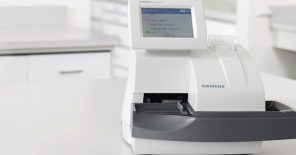
In parallel, semi-quantitative and qualitative screening using reagent strip–based analysis (Siemens CLINITEK Advantus) allows rapid detection of parameters such as proteinuria, hematuria, ketones, bilirubin, and urine pH. This dual approach combines analytical depth with efficient screening capacity. Urinalysis can be directly linked to metabolic phenotyping pipelines, including studies using metabolic cages for controlled urine collection, enabling longitudinal assessment of renal function, fluid balance, and metabolic output under defined experimental conditions. For advanced renal profiling, integration with serum-based parameters and time-resolved urine collection (e.g. 24-hour sampling) is recommended. All workflows include standardized quality control procedures to ensure data robustness and reproducibility.
Standard services Heamatology and Blood Analysis
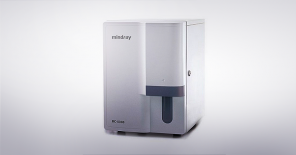
The Unit provides comprehensive haematological profiling across multiple animal species using automated platforms (Mindray BC-5300 Vet; Mindray BC60R Vet), enabling assessment of systemic physiology, immune status, and disease-associated changes in blood composition. Analyses are performed from minimal sample volumes using standardized workflows compatible with high-throughput and longitudinal study designs.
Complete blood count (CBC) measurements include erythrocyte, leukocyte, and platelet parameters (RBC, WBC, PLT, HGB, HCT, MCV, MCH, MCHC, RDW, MPV), with optional differential counts providing detailed characterization of immune cell populations (neutrophils, lymphocytes, monocytes, eosinophils, and basophils). These readouts support applications ranging from inflammation and infection to hematopoietic and systemic disease models.
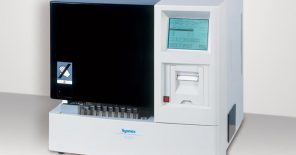
Coagulation profiling is performed using automated systems (Sysmex CA-560), enabling analysis of key haemostatic parameters including PT, APTT, fibrinogen, thrombin time, antithrombin III, and D-dimer. These assays support evaluation of coagulation status in disease models, pharmacological interventions, and safety/toxicology studies.
In addition, integrated blood gas and metabolite analysis (ABL90 FLEX PLUS) enables real-time assessment of acid–base balance, respiratory function, electrolyte homeostasis, and metabolic state, including parameters such as pH, pCO₂, pO₂, glucose, lactate, and oxygen saturation.
All assays are embedded within standardized and quality-controlled workflows, ensuring reproducibility and compatibility with multi-modal phenotyping pipelines and GLP-aligned preclinical studies.
Project Specific Assays Multiplex and Custom Molecular Assays
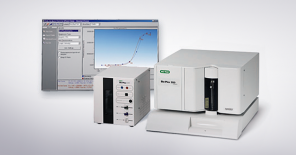
The Unit provides advanced multiplex and targeted immunoassay-based profiling of proteins, hormones, cytokines, and signaling molecules across a wide range of biological matrices, including plasma/serum, urine, lavage fluids, and cell or tissue culture supernatants. Analyses are performed using high-sensitivity platforms (Bio-Plex® 200, spectrophotometric systems), enabling simultaneous quantification of multiple biomarkers from limited sample volumes. Assays can be configured as predefined panels or fully customized to match specific experimental needs, supporting applications in immunology, metabolism, endocrinology, neuroscience, oncology, and toxicology.
Multiplex profiling enables comprehensive characterization of signaling pathways, inflammatory responses, endocrine regulation, and disease-associated biomarker signatures. Available panels include cytokine and chemokine profiling, metabolic and endocrine hormones, cardiovascular and stress markers, immune checkpoint molecules, and tissue injury indicators. In addition, singleplex assays are available for targeted quantification of specific analytes such as insulin, corticosterone, thyroid hormones, sex steroids, cardiac biomarkers, and others. Beyond circulating biomarkers, the Unit supports customized assays for tissue-level metabolic characterization, including lipid extraction and quantification, glycogen analysis, lipoprotein fractionation, and specialized ELISA-based workflows. Protocols can be adapted or developed to address specific research questions, including integration with functional phenotyping and preclinical intervention studies. All assays are performed within standardized and quality-controlled workflows, ensuring reproducibility and compatibility with multi-modal phenotyping pipelines and translational preclinical research.
Example Multiplex Panels and Targets:
To support diverse preclinical applications, a range of predefined and customizable multiplex panels is available, including:
- Inflammation / Cytokine profiling: IL-1β, IL-6, IL-10, TNFα, IFNγ, GM-CSF, chemokines (e.g. CCL2, CXCL8).
- Cardiovascular and vascular injury: CRP, VEGF, PDGF, Fractalkine, Erythropoietin.
- Endocrine and metabolic hormones: Insulin, leptin, ghrelin, corticosterone, thyroid hormones (T3, T4, TSH).
- Neurobiology and neurodegeneration: neuropeptides, amyloid beta, signaling molecules.
- Immuno-oncology and immune regulation: checkpoint molecules, cytokine networks.
- Tissue injury and toxicity: liver enzymes, kidney injury markers, acute phase proteins.
Panels can be combined, expanded, or fully customized to match specific experimental designs and disease models. Please download the PDF document to check for the comprehensive list of multiplex assays that the CCP can offer.
Project Specific Assays Tissue Metabolic Assays
In addition to standardized workflows, the Unit provides project-specific assays for detailed characterization of carbohydrate and lipid metabolism across tissues such as liver, muscle, adipose tissue, brain, and pancreas. These assays enable mechanistic insight into tissue-specific metabolic regulation in disease models and under experimental interventions. Available approaches include quantitative lipid extraction and profiling from cells, tissues, or fecal samples, glycogen isolation and quantification, and intermediate-term monitoring of glycemic control using biomarkers such as 1,5-anhydroglucitol. Targeted ELISA-based assays can be applied to samples from functional tests, including glucose tolerance experiments, to assess endocrine and metabolic responses. The Unit also supports advanced workflows such as lipoprotein fractionation by ultracentrifugation and development of tailored assays for cell and tissue lysates. Protocols can be adapted or optimized to address specific experimental needs, including integration with systemic phenotyping, metabolic cages, and intervention studies.
Project Specific Assays Integrated Clinical Pathology Panels
To support disease-oriented and translational research, the Unit provides integrated clinical pathology panels that combine biochemical, haematological, and molecular readouts across CCP phenotyping platforms. These panels are designed to capture complex pathophysiological signatures and enable comprehensive characterization of disease models and treatment responses.
Panels are configured based on specific research questions and may integrate data from multiple domains, including clinical chemistry, haematology, immunoassays, and other specialized phenotyping units. This approach is particularly relevant for multi-system diseases, longitudinal studies, and regulatory-oriented preclinical programs.
Example applications include:
- Cardiovascular injury: cardiac troponin I, NT-proBNP, CK, LDH, α-HBDH, multiplex cardiovascular markers.
- Anaemia and haematological disorders: CBC with differential, bilirubin, iron metabolism markers (ferritin, transferrin, UIBC).
- Inflammatory and autoimmune conditions: CBC, uric acid, complement, immunoglobulins, autoantibodies.
- Metabolic disorders (e.g. diabetes): glucose (blood/urine), ketones, electrolytes, HbA1c, urine albumin, endocrine panels.
- Gastrointestinal and hepatic conditions: liver enzymes, bilirubin, proteins, amylase, electrolyte balance.
- Endocrine profiling: pituitary and peripheral hormones (ACTH, TSH, T3/T4, cortisol, sex steroids).
- Infectious and systemic conditions: combined biochemical, haematological, and cytokine profiling.
- Regulatory toxicology studies: standardized panels for liver, kidney, metabolic, and systemic toxicity assessment, including multiplex biomarkers.
Panels can be further customized and extended based on study design, including integration with imaging, physiological phenotyping, and metabolic assessment pipelines.

Biochemistry and haematology unit was upgraded with the support from OP RDE project CZ.02.1.01/0.0/0.0/18_046/0015861 CCP Infrastructure Upgrade II in the years 2020 – 2022 and currently it is being upgraded from the OP JAC project CZ.02.01.01/00/23_015/0008189 Upgrade of the large research infrastructure CCP III.