YWHAG-related Developmental and Epileptic Encephalopathy 56
Genetics
Usually caused by a de novo heterozygous pathogenic variant in YWHAG, encoding 14-3-3 gamma. Both missense and loss-of-function variants are reported, with emerging but incomplete genotype-phenotype correlations.
Molecular Mechanism
14-3-3 gamma binds phosphorylated client proteins and controls their stability, localization and activity in signaling, cytoskeletal organization and neuronal migration. Pathogenic variants disturb dimerization or client interactions and alter network excitability and neurodevelopment.
Therapy
Treatment is symptomatic with individualized antiseizure medication and developmental, communication, motor and behavioral support. No YWHAG-directed therapy is established, and evidence for preferential antiseizure drugs remains limited.
CCP Activity
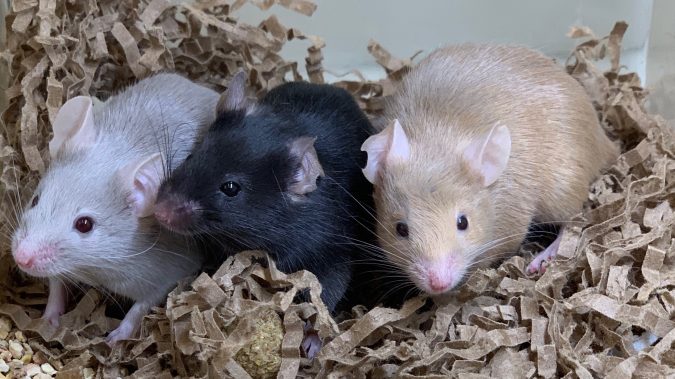
CCP designs and plans comprehensive characterization of a YWHAG disease model, including neurobehavioral, electrophysiological (EEG) phenotyping with comprehensive physiological assessment. The immediate goal is a robust natural-history and endpoint framework for future intervention studies.
Mouse Models Mouse Models & Gene Cards
| Mouse Models | Gene Cards |
|---|---|
| TBD | TBD |