Pitt-Hopkins Syndrome
Genetics
Usually caused by a de novo heterozygous loss-of-function variant or deletion of TCF4, resulting in autosomal dominant haploinsufficiency. Rare parental mosaicism can increase recurrence risk.
Molecular Mechanism
TCF4 is a dosage-sensitive basic helix-loop-helix transcription factor that regulates neuronal differentiation, excitability, synaptic development and respiratory-network function. Haploinsufficiency alters broad developmental gene-expression programmes.
Therapy
Treatment is supportive and includes augmentative communication, developmental therapies, seizure management, treatment of constipation and feeding problems, ophthalmologic care and monitoring of breathing dysrhythmia. Gene-restoration and transcriptional rescue approaches remain experimental.
CCP Activity
This indication is currently listed for strategic assessment; no specific experimental programme has yet been defined. A future entry should specify the patient genotype, model, primary translational endpoint and intended therapeutic modality before experimental work begins.
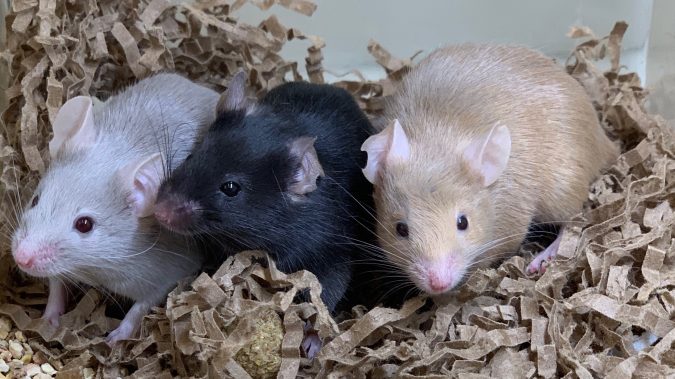
Mouse Models Mouse Models & Gene Cards
| Mouse Models | Gene Cards |
|---|---|
| TBD | TBD |