Mitochondrial Membrane Protein-Associated Neurodegeneration (C19orf12)
Genetics
Usually autosomal recessive and caused by biallelic pathogenic variants in C19orf12; rare heterozygous variants can produce a later-onset dominant phenotype.
Molecular Mechanism
C19orf12 encodes a mitochondrial and endoplasmic-reticulum membrane protein implicated in lipid metabolism, mitochondrial homeostasis and autophagy. Its loss promotes axonal degeneration and secondary iron accumulation, but the causal link between lipid dysfunction and iron deposition remains incompletely defined.
Therapy
Treatment is symptomatic and addresses dystonia, spasticity, parkinsonism, neuropathy, psychiatric symptoms, feeding and mobility. Deferiprone can reduce MRI iron in some NBIA disorders, but evidence for clinical benefit in MPAN is insufficient and treatment carries hematologic risk.
CCP Activity
CCP is developing and characterizing a C19orf12/MPAN model. Gene-replacement strategy is under design.
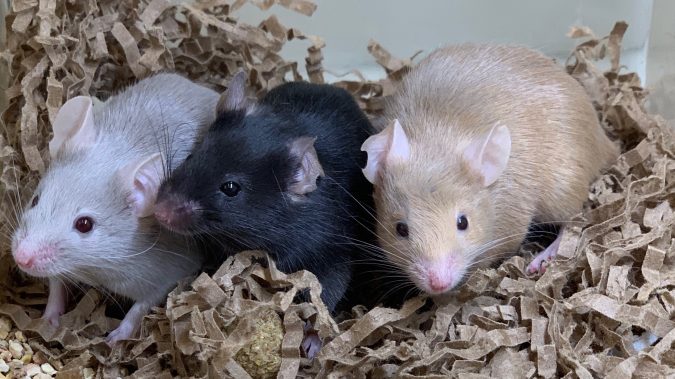
Mouse Models Mouse Models & Gene Cards
| Mouse Models | Gene Cards |
|---|---|
| TBD | TBD |