MADD Deficiency (MAP Kinase-activating Death Domain Protein)
Genetics
Autosomal recessive disease caused by biallelic pathogenic variants in MADD. This condition must not be confused with multiple acyl-CoA dehydrogenase deficiency, which is also abbreviated MADD but is caused by ETFA, ETFB or ETFDH.
Molecular Mechanism
MADD is a Rab3 and Rab27 guanine-nucleotide exchange factor and a regulator of vesicle trafficking, secretion, TNF-alpha-MAPK signaling and cell survival. Deficiency impairs synaptic and secretory-vesicle release, growth-factor endocytosis and, in severe cases, lymphocyte and platelet degranulation.
Therapy
There is no targeted therapy. Care is individualized across neurologic, endocrine, exocrine pancreatic, gastrointestinal, hematologic and immune manifestations; severe infection, bleeding, diarrhea, hypoglycemia or HLH-like inflammation requires prompt specialist treatment.
CCP Activity
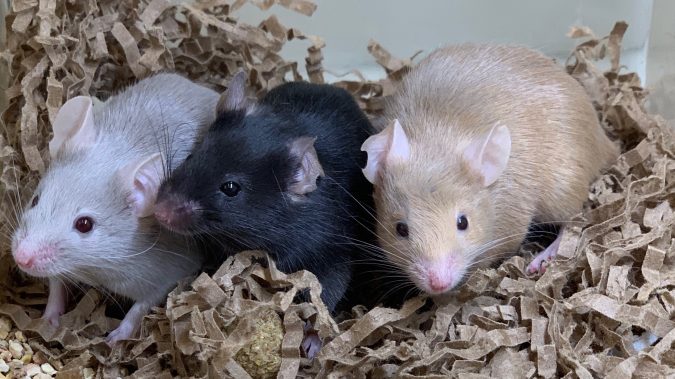
CCP has developed and has been characterizing a MADD-deficiency mouse model. We have started neonatal phenotype characterization, and we are moving to later developmental periods in order to identify the initial pathology window for comparison with clinical records.
Mouse Models Mouse Models & Gene Cards
| Mouse Models | Gene Cards |
|---|---|
| C57BL/6NCrl-Maddem1(R327stop)Ccpcz | Madd |