KCNH1-related Neurodevelopmental and Epileptic Disorder
Genetics
Usually caused by de novo heterozygous missense variants in KCNH1; parental mosaicism can occur. Most functionally tested disease variants are gain of function, although the magnitude and biophysical mechanism vary.
Molecular Mechanism
KCNH1 encodes the voltage-gated potassium channel Kv10.1. Pathogenic variants typically shift activation to more negative voltages or delay channel closure, increasing potassium conductance and perturbing neuronal excitability, network development and possibly cell proliferation.
Therapy
Management is symptomatic with antiseizure medication and developmental, communication, feeding, orthopedic and behavioral support. No channel-directed therapy has established clinical efficacy; candidate blockers require careful assessment of CNS exposure and cardiac or off-target risk.
CCP Activity
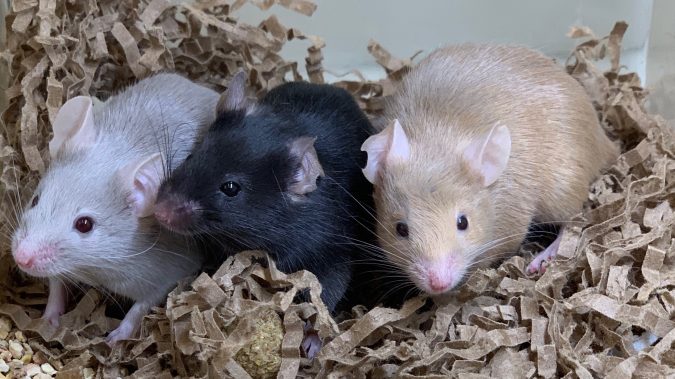
CCP designs and plans comprehensive characterization of a KCNH1 disease model, including neurobehavioral, electrophysiological (EEG) phenotyping with comprehensive physiological assessment. The immediate goal is a robust natural-history and endpoint framework for future intervention studies.
Mouse Models Mouse Models & Gene Cards
| Mouse Models | Gene Cards |
|---|---|
| TBD | TBD |