KAT6A Syndrome (Arboleda-Tham Syndrome)
Genetics
Autosomal dominant disease usually caused by a de novo heterozygous pathogenic variant in KAT6A. Truncating loss-of-function variants are most common, although pathogenic missense variants have also been reported.
Molecular Mechanism
KAT6A is a MYST-family lysine acetyltransferase that regulates chromatin accessibility, transcription, cell-cycle control and embryonic patterning. Reduced or altered acetyltransferase function disrupts developmental gene-expression programmes in multiple tissues.
Therapy
No disease-modifying therapy exists. Management includes early communication and developmental support, feeding and gastrointestinal care, and surveillance and treatment of cardiac, visual, hearing, orthopedic, endocrine and sleep complications.
CCP Activity
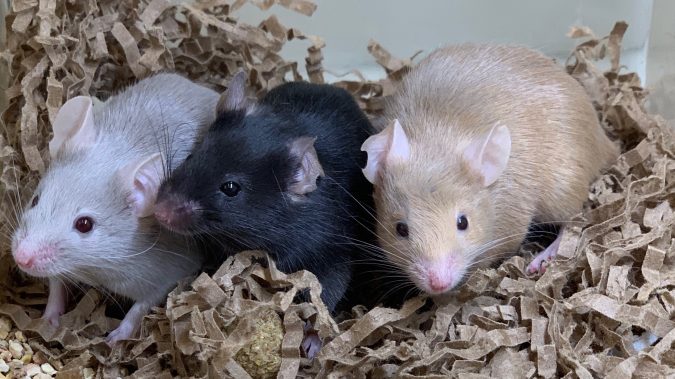
CCP is developing an inducible KAT6A disease model. Further characterization will combine developmental and neurobehavioral phenotyping with cardiac and systemic assessment.
Mouse Models Mouse Models & Gene Cards
| Mouse Models | Gene Cards |
|---|---|
| TBD | TBD |