GRIN2B-related Neurodevelopmental Disorder
Genetics
Most cases result from de novo heterozygous GRIN2B variants. Truncating variants usually cause haploinsufficiency, whereas missense variants can produce loss or gain of NMDA-receptor function; the functional class cannot be inferred reliably from phenotype alone.
Molecular Mechanism
GRIN2B encodes the GluN2B subunit of NMDA receptors, which control calcium entry, synaptic maturation and plasticity. Altered receptor abundance, trafficking or gating disturbs excitation-dependent development and can cause either insufficient signaling or excitotoxic overactivation.
Therapy
Management is supportive, including antiseizure treatment and intensive developmental and communication care. Variant-guided NMDA-receptor modulators have mechanistic and anecdotal support but no established efficacy; gene-based approaches remain preclinical.
CCP Activity
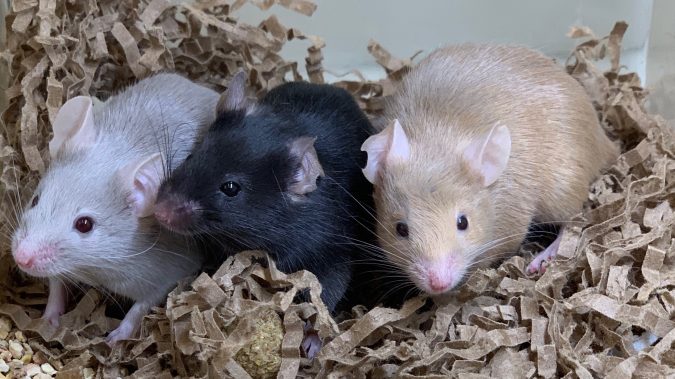
CCP is generating and characterizing a disease-relevant GRIN2B model and supports collaborative gene-therapy development. Functional classification of the causal allele is coupled to EEG, neurobehavioral, motor and sensory endpoints.
Mouse Models Mouse Models & Gene Cards
| Mouse Models | Gene Cards |
|---|---|
| TBD | TBD |