DHX30-related Neurodevelopmental Disorder (NEDMIAL)
Genetics
The classic severe phenotype is usually caused by de novo heterozygous missense variants in conserved motifs of the DHX30 helicase core. Haploinsufficiency, non-core variants and rare biallelic variants can produce distinct or milder phenotypes.
Molecular Mechanism
DHX30 is an ATP-dependent RNA helicase involved in ribosome biogenesis, translation, stress-granule dynamics and RNA metabolism. Helicase-core variants reduce ATPase and unwinding activity and can act dominantly to impair global translation and cellular stress responses.
Therapy
No disease-modifying treatment exists. Care is multidisciplinary and addresses epilepsy, nutrition and swallowing, communication, tone, mobility, orthopedic complications and sleep.
CCP Activity
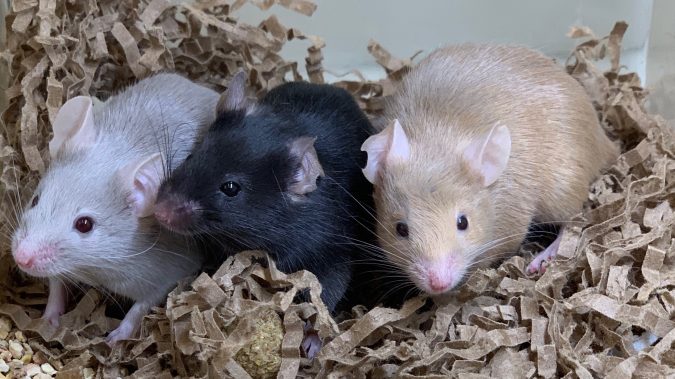
CCP designs and plans comprehensive characterization of a DHX30 disease model, including neurobehavioral, electrophysiological (EEG) phenotyping with comprehensive physiological assessment. The immediate goal is a robust natural-history and endpoint framework for future intervention studies.
Mouse Models Mouse Models & Gene Cards
| Mouse Models | Gene Cards |
|---|---|
| TBD | TBD |