DEAF1-related Neurodevelopmental Disorder
Genetics
The dominant Vulto-van Silfhout-de Vries phenotype is usually caused by a de novo heterozygous missense variant in the DEAF1 SAND DNA-binding domain. Biallelic variants cause a distinct autosomal recessive neurodevelopmental disorder.
Molecular Mechanism
DEAF1 is a transcription factor that binds DNA and autoregulates its own promoter. Dominant SAND-domain variants impair DNA binding and transcriptional regulation and can interfere with wild-type DEAF1, producing broad dysregulation of neurodevelopmental gene networks.
Therapy
Treatment is supportive and tailored to epilepsy, behavior, sleep, communication, feeding, constipation, motor impairment and orthopedic needs. No targeted therapy is established.
CCP Activity
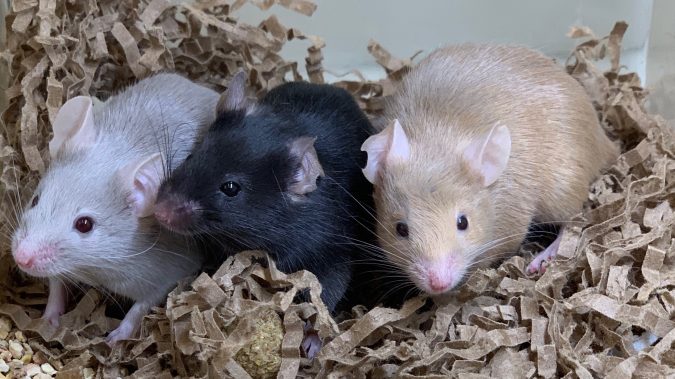
CCP is developing a DEAF1 disease model. Characterization will connect developmental, behavioral, seizure and motor phenotypes.
Mouse Models Mouse Models & Gene Cards
| Mouse Models | Gene Cards |
|---|---|
| TBD | TBD |