CTNNB1 Neurodevelopmental Disorder
Genetics
Usually caused by a de novo heterozygous loss-of-function variant in CTNNB1, resulting in autosomal dominant haploinsufficiency. This germline mechanism is distinct from activating somatic CTNNB1 variants found in cancer.
Molecular Mechanism
Beta-catenin is both a transcriptional co-activator in canonical Wnt signaling and a structural component of cadherin adhesion complexes. Reduced dosage disrupts neuronal differentiation and connectivity, motor-system development and Wnt-dependent retinal vascular development.
Therapy
Treatment is supportive and includes management of spasticity and dystonia, physiotherapy, augmentative communication, feeding, orthopedic and ophthalmologic care. Gene-replacement and other dosage-restoration strategies remain experimental.
CCP Activity
CCP has completed the defined regulatory-support package for the CTNNB1 therapeutic programme led by Ctnnb1 foundation. This activity is recorded as completed.
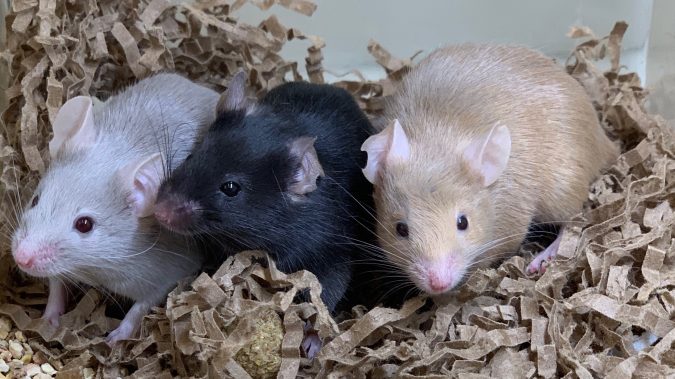
Mouse Models Mouse Models & Gene Cards
| Mouse Models | Gene Cards |
|---|---|
| TBD | TBD |