Cardiofaciocutaneous Syndrome Type 4 (MAP2K2)
Genetics
Usually caused by a de novo heterozygous activating variant in MAP2K2, which encodes MEK2. The disorder is autosomal dominant, although affected individuals rarely reproduce.
Molecular Mechanism
Pathogenic MAP2K2 variants increase or dysregulate MEK2-dependent ERK signaling. Abnormal signal amplitude and timing during embryogenesis alter cardiac, craniofacial, cutaneous and neural development.
Therapy
Management is multidisciplinary and organ-specific. MEK inhibitors have preclinical rationale and limited off-label experience for severe RASopathy manifestations, but no MEK inhibitor is approved specifically for CFC syndrome and developmental toxicity is a major constraint.
CCP Activity
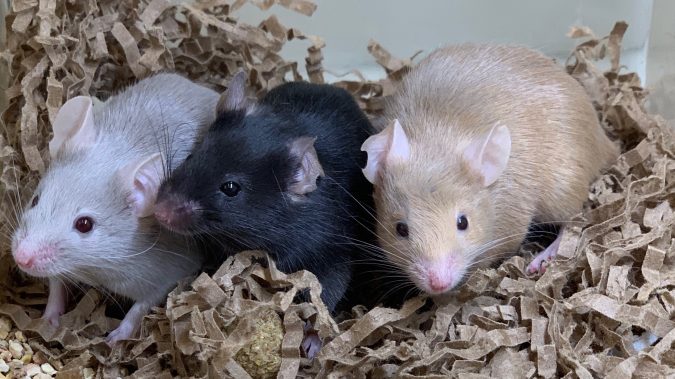
Generation of a MAP2K2 p.Glu270Lys knock-in model is ongoing. Once established, the model will be used for comprehensive developmental, cardiac, neurologic and growth phenotyping.
Mouse Models Mouse Models & Gene Cards
| Mouse Models | Gene Cards |
|---|---|
| TBD | TBD |