Bloom Syndrome
Genetics
Autosomal recessive disease caused by biallelic pathogenic variants in BLM, encoding a RecQ-family DNA helicase.
Molecular Mechanism
BLM, together with topoisomerase III alpha and RMI proteins, controls replication forks and homologous-recombination intermediates. Its loss causes excessive sister-chromatid exchange, chromosome breakage and rearrangement, producing developmental failure and broad cancer predisposition.
Therapy
There is no curative treatment. Care emphasizes infection management, sun protection, metabolic monitoring and intensive cancer surveillance. Ionizing radiation should be minimized and chemotherapy, especially alkylating agents, requires dose modification because of exceptional toxicity and secondary-cancer risk.
CCP Activity
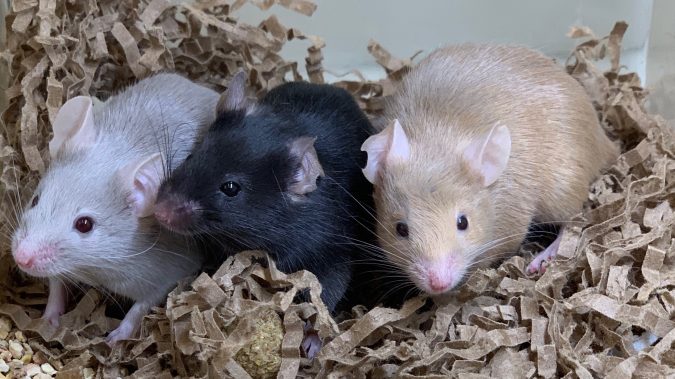
CCP is developing and phenotyping a Bloom syndrome model. Characterization focuses on growth, immune and hematopoietic abnormalities, tissue pathology and genome-instability readouts that can support mechanistic studies and future intervention testing.
Mouse Models Mouse Models & Gene Cards
| Mouse Models | Gene Cards |
|---|---|
| TBD | TBD |