Autosomal Recessive Spastic Ataxia of Charlevoix-Saguenay (ARSACS)
Autosomal Recessive Spastic Ataxia of Charlevoix-Saguenay (ARSACS) is a progressive neurodegenerative disorder usually beginning in childhood with cerebellar ataxia, lower-limb spasticity and peripheral sensorimotor neuropathy. Retinal nerve-fiber hypermyelination, dysarthria, nystagmus and later loss of ambulation are common.
Genetics
Autosomal recessive disease caused by biallelic pathogenic variants in SACS, which encodes the very large multidomain protein sacsin.
Molecular Mechanism
Sacsin participates in protein quality control, mitochondrial dynamics and organization of intermediate filaments. Its loss disrupts mitochondrial networks and neuronal cytoskeletal homeostasis, with particular vulnerability of Purkinje cells and long peripheral axons
Therapy
No disease-modifying therapy is established. Physiotherapy, spasticity treatment, orthopedic management, mobility and communication aids, and surveillance for neuropathy and swallowing or respiratory complications aim to preserve function.
CCP Activity
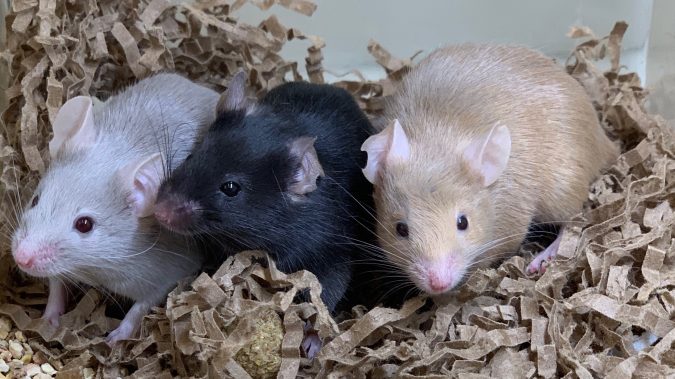
CCP is developing and characterizing an ARSACS model using comprehensive phenotyping.
Mouse Models Mouse Models & Gene Cards
| Mouse Models | Gene Cards |
|---|---|
| TBD | TBD |