Ataxia-Telangiectasia (ATM)
Genetics
Autosomal recessive disease caused by biallelic pathogenic variants in ATM. Variants that retain residual ATM kinase activity can produce attenuated disease with later onset.
Molecular Mechanism
ATM coordinates the response to DNA double-strand breaks, cell-cycle checkpoints, V(D)J recombination, oxidative stress and aspects of mitochondrial homeostasis. Its loss causes genomic instability and selective neurodegeneration, especially of cerebellar Purkinje and granule neurons.
Therapy
Care is supportive and includes rehabilitation, immunoglobulin replacement when indicated, aggressive respiratory management, metabolic and cancer surveillance, and radiation-sparing diagnostics and oncology regimens. No disease-modifying therapy is approved; corticosteroid formulations and N-acetyl-L-leucine remain investigational.
CCP Activity
CCP is investigating possibilities of therapeutic intervention and searching for proper disease modelling.
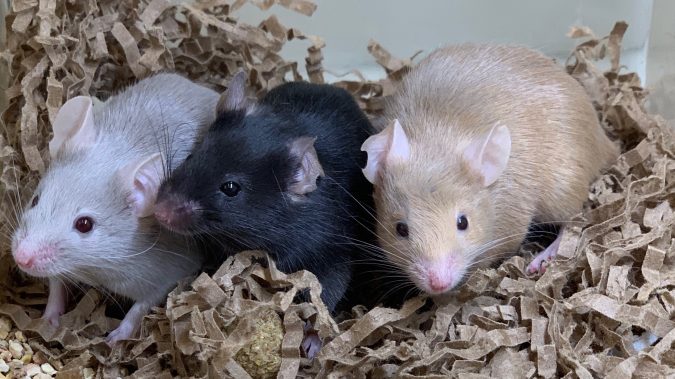
Mouse Models Mouse Models & Gene Cards
| Mouse Models | Gene Cards |
|---|---|
| TBD | TBD |