Adenylosuccinate Lyase (ADSL) Deficiency
Genetics
Autosomal recessive disease caused by biallelic loss-of-function variants in ADSL. Residual enzyme activity and effects on tetramer stability contribute to, but do not fully explain, the wide clinical spectrum.
Molecular Mechanism
ADSL catalyzes two reactions in de novo purine synthesis and the purine nucleotide cycle. Deficiency reduces purine flux and causes accumulation of SAICAr and succinyladenosine; metabolite toxicity, purine shortage, purinosome dysfunction and secondary mitochondrial impairment may all contribute.
Therapy
Treatment is mainly supportive, particularly seizure and nutritional management. D-ribose, uridine and S-adenosylmethionine have not shown consistent benefit. Preliminary clinical data for allopurinol require confirmation; no approved disease-modifying treatment exists.
CCP Activity
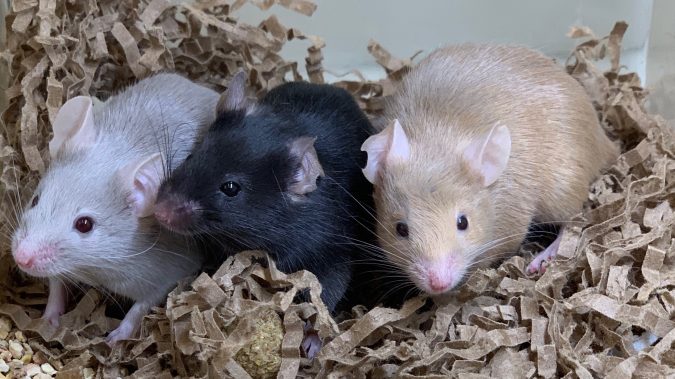
CCP has generated an ADSL p.Tyr114His knock-in model with clinically relevant phenotype. Current work combines embryonic and neonatal phenotyping, purine metabolomics and tissue pathology with development of AAV gene replacement and small-molecule strategies aimed at extending the therapeutic window.
Mouse Models Mouse Models & Gene Cards
| Mouse Models | Gene Cards |
|---|---|
| C57BL/6NCrl-Adslem1(Y114H)Ccpcz | Adsl |